What I've Learned So Far
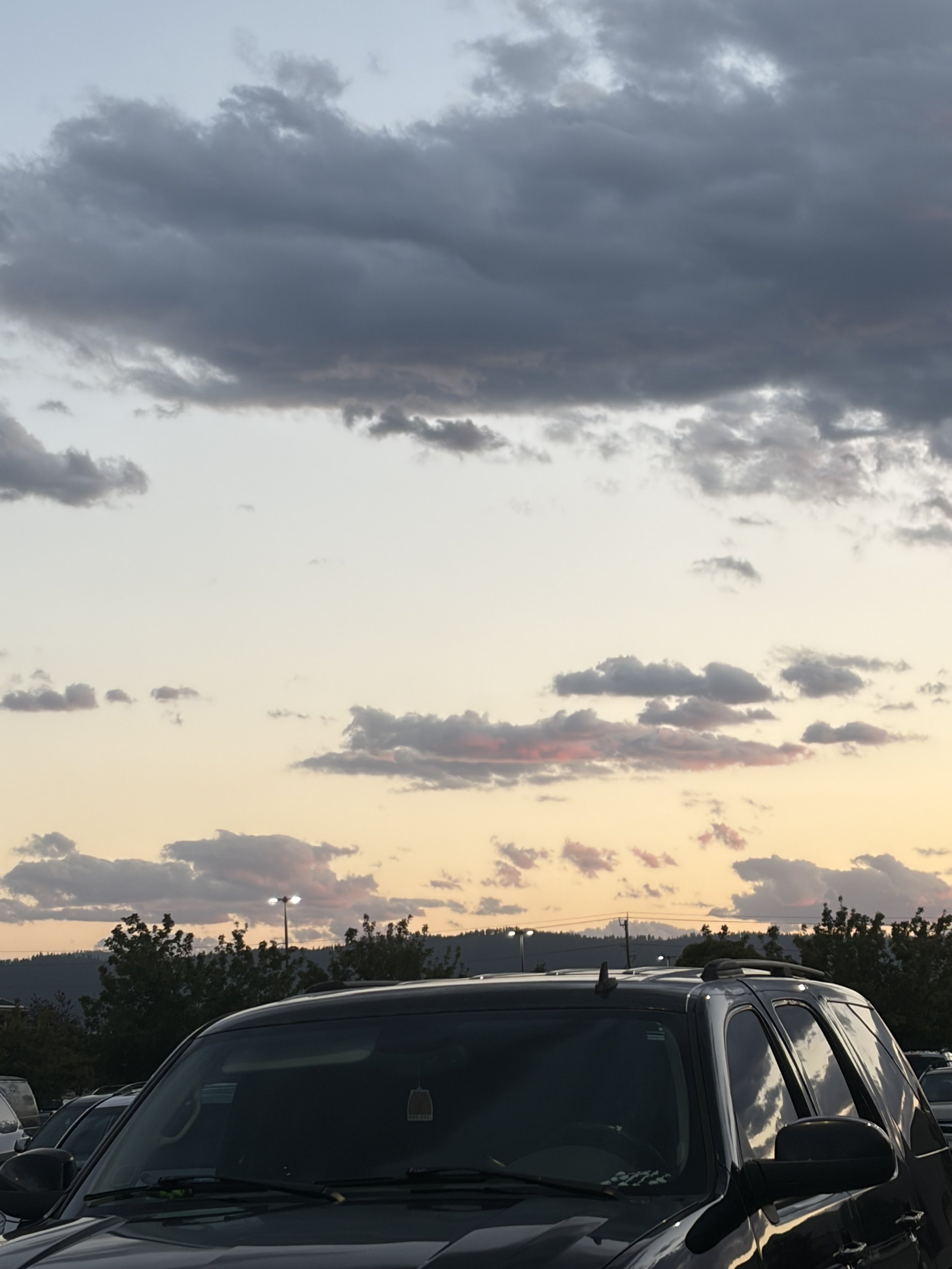
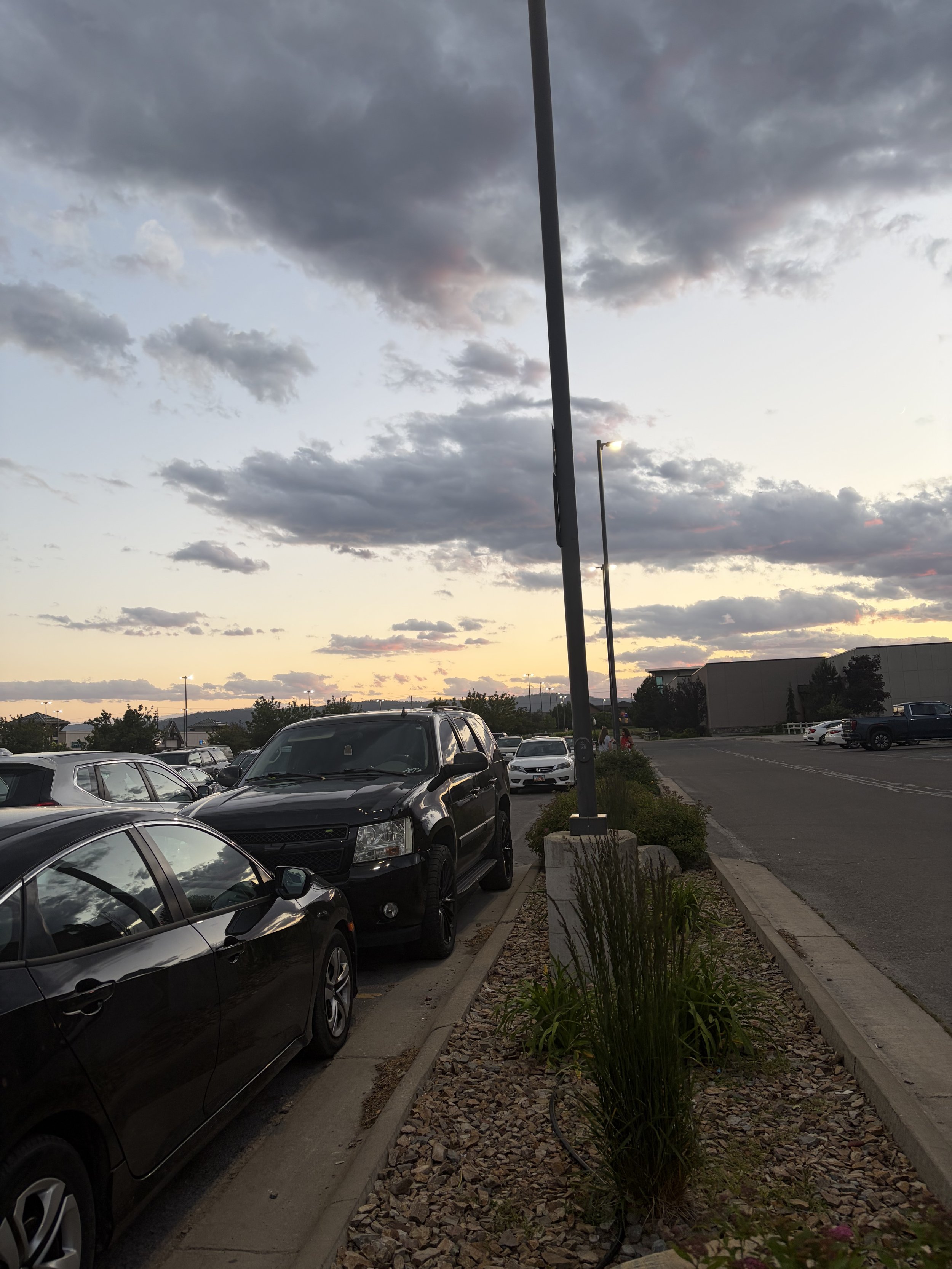
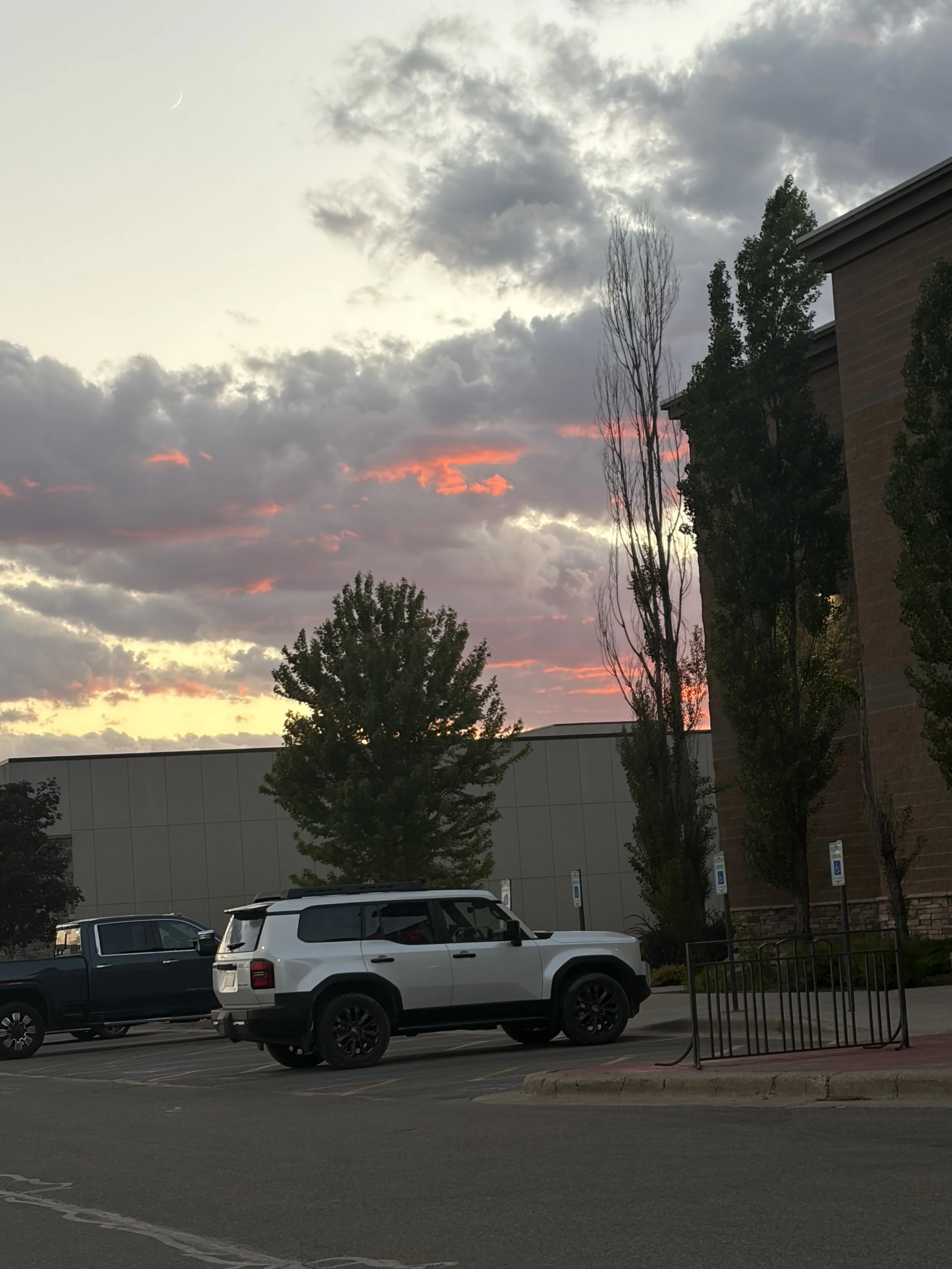
When I started rebuilding the Open Path University Creative Studies curriculum, I thought the biggest lessons would come from the classes themselves. While the courses have been valuable, some of the most important things I've learned have happened between the assignments.
One of the first lessons was that it's okay to change things as you go.
I spent a lot of time trying to design the perfect curriculum before I started. What I've discovered is that no plan survives first contact with reality. Some courses turned out to be less useful than I expected. Other subjects became far more interesting than I imagined. The curriculum has already changed several times, and that's a good thing. A self-directed education should adapt to the student, not the other way around.
I've also learned that art is far more connected to light than I realized.
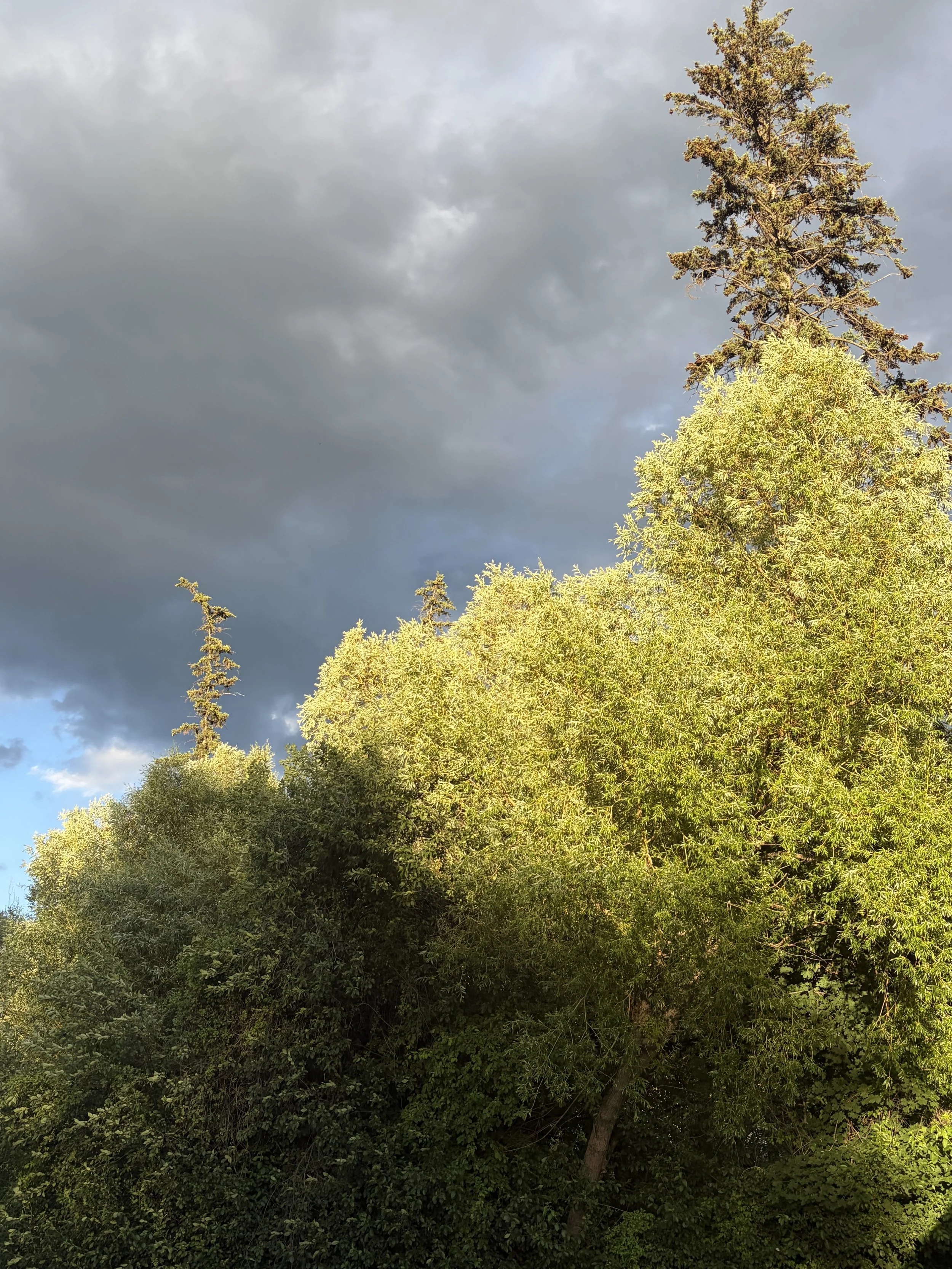
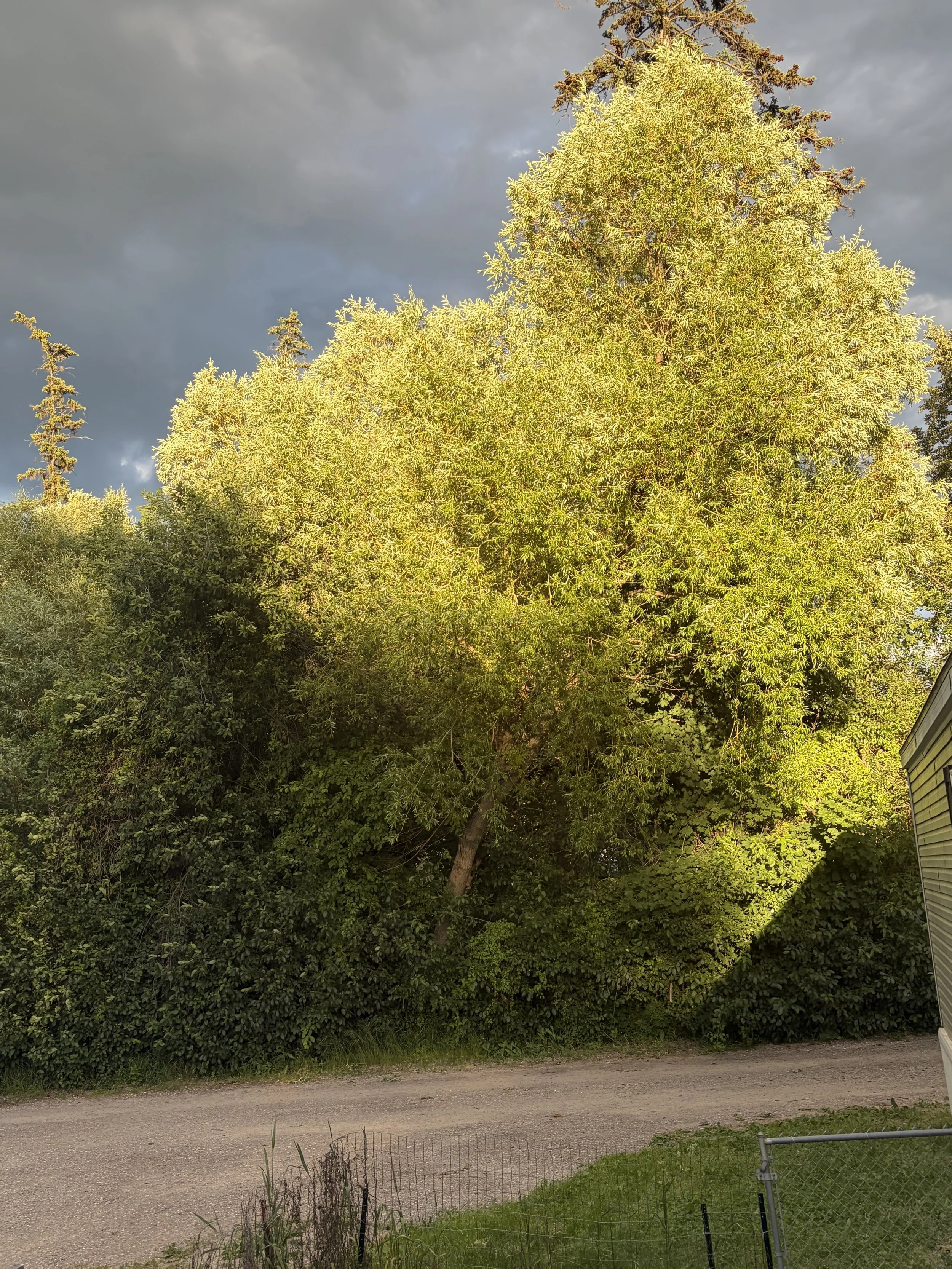
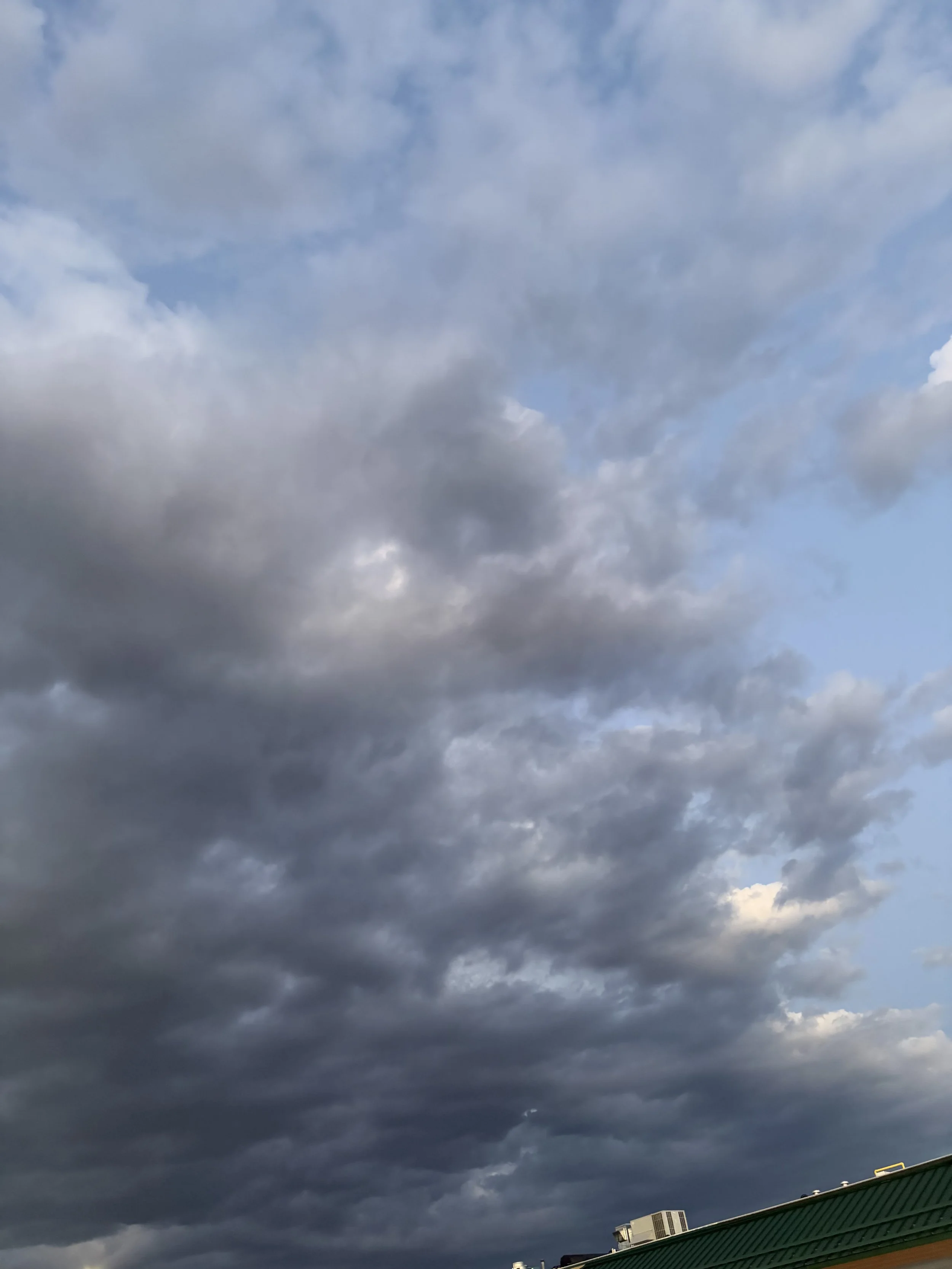
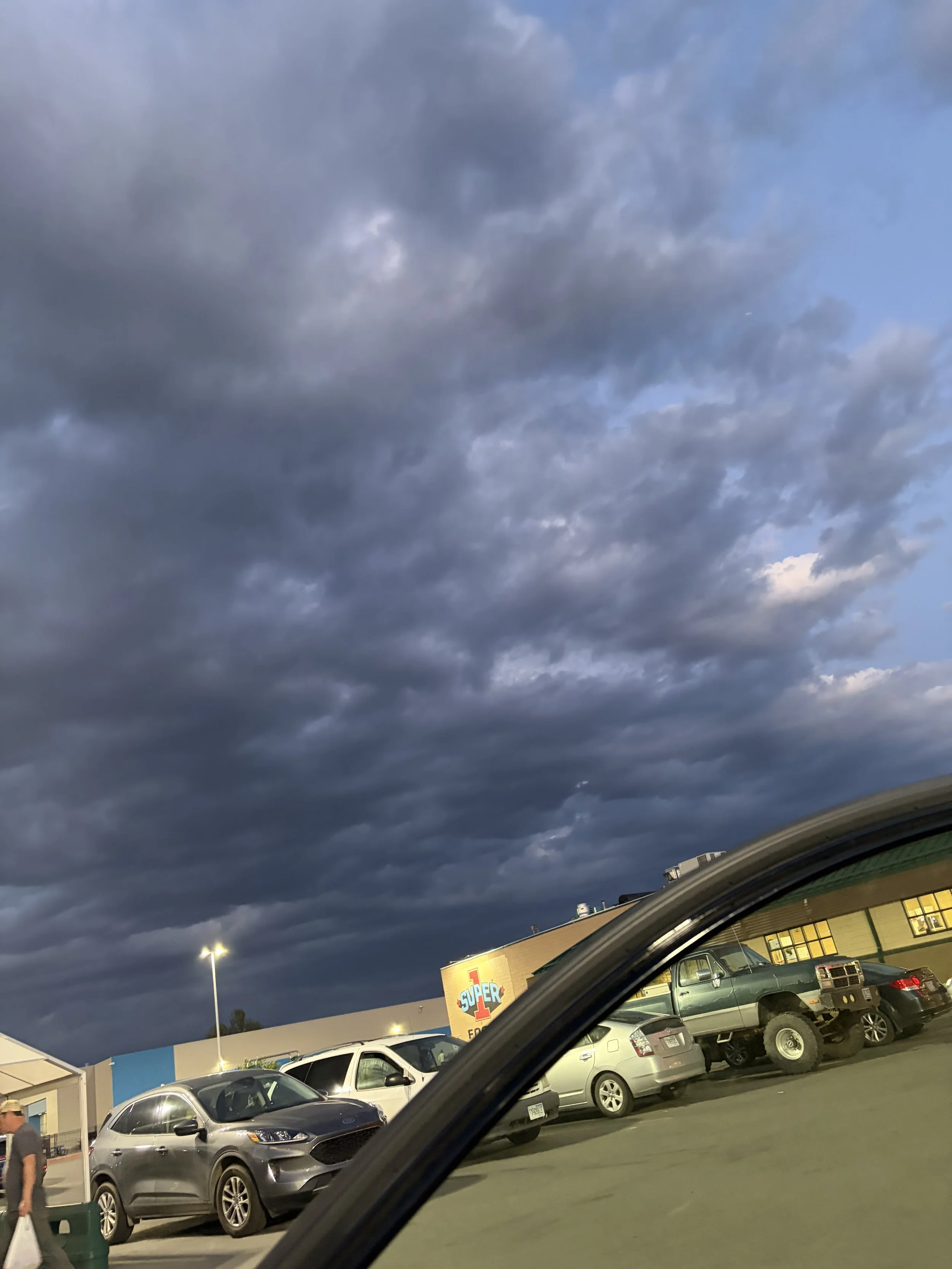
As I've worked through observation photography and drawing exercises, I've become increasingly aware of how light shapes everything we see. Light creates mood, defines form, reveals texture, and directs attention. I know I've only scratched the surface of understanding it, but now I find myself noticing shadows, highlights, reflections, and atmospheric effects everywhere I go.
Another discovery has been that I currently enjoy photography more than drawing.
Part of that may simply be experience. I've been taking photographs much longer than I've been drawing seriously. Photography allows me to focus on observation and composition, while drawing forces me to confront every mistake I make. As someone who likes to get things right immediately, that can be frustrating.
At the same time, I suspect that's exactly why drawing is valuable for me.
The sketchbook doesn't care about perfection. It only cares whether I showed up and practiced.
That has led to another lesson: perfectionism can be an obstacle to learning. Every artist I admire had to spend time being a beginner. Every skill starts with awkward attempts and visible mistakes. The goal isn't to create masterpieces on day one. The goal is to keep improving.
I've also learned that creative study needs balance.
It's important to have hobbies outside of the curriculum. Not every creative activity needs to be an assignment, a lesson, or a skill-building exercise. Sometimes it's enough to make a journal page, read a story, play a game, cook something new, or simply create for the joy of creating. Those activities refill the well instead of drawing from it.
Finally, I've learned the importance of pacing.
Early on, I found myself wanting to complete an entire week's worth of work in a single day. That's a great way to burn out and a terrible way to build a long-term habit. Learning happens through consistency, not intensity. A little progress each day is often more valuable than a burst of effort followed by exhaustion.
Perhaps the biggest lesson of all is that creativity isn't a destination.
It's a practice.
Every photograph, every sketch, every journal page, every essay, and every story is simply another step down the path. Some days the work feels exciting. Some days it feels difficult. Both kinds of days matter.
For now, my job isn't to become the artist I want to be someday.
My job is to become a slightly better artist than I was yesterday.
